
Adhesion & Bonding

APPLICATIONS

ADHESION & BONDING

Explore plasma-based surface preparation to improve bonding performance between challenging materials.

WHY BONDING FAILS — AND HOW PLASMA HELPS

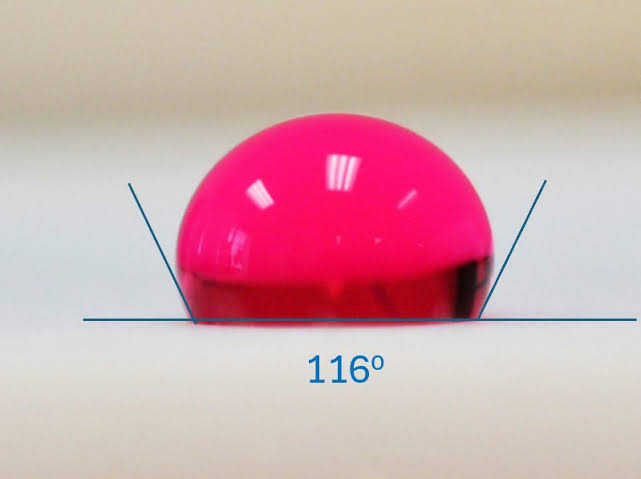
Adhesion failures — a bond that doesn’t hold, a laminate that delaminates, a coating that peels — are often traced back to the surface, not the adhesive itself. Low surface energy, contamination, or chemically inert materials such as certain plastics can all prevent an adhesive from properly wetting and bonding to a surface. Plasma treatment addresses this directly, preparing the surface before bonding takes place.

How it Works

Plasma exposure increases surface energy and introduces polar chemical groups at the material’s surface, allowing adhesives to wet and bond far more effectively. It also removes weak boundary layers and light contamination that would otherwise sit between the adhesive and the base material, weakening the bond.
images (21)
csm verkleben a576b9cbc9

TYPICAL APPLICATIONS

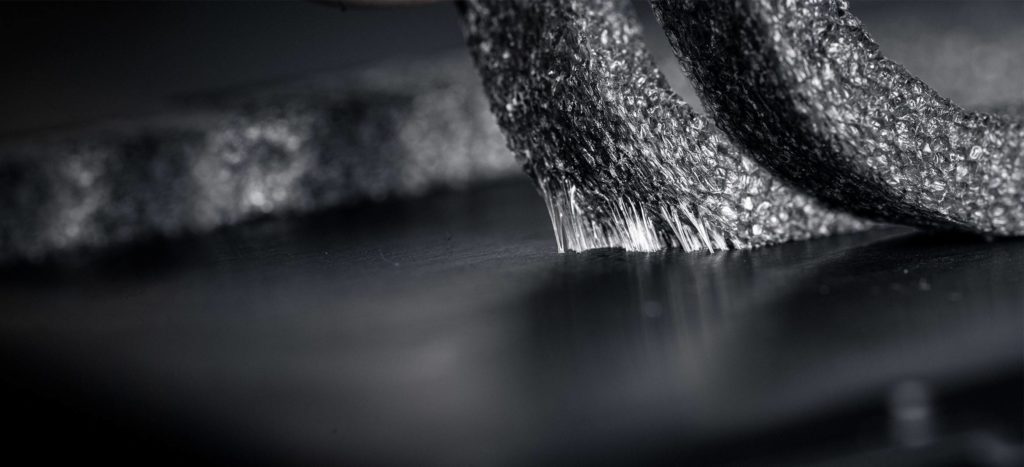
Bonding dissimilar materials in assembly processes
Preparing plastic components for adhesive bonding
Improving performance of structural and semi-structural bonds
Lamination of multi-layer films and composites
Component bonding in electronics and automotive assembly

KEY BENEFITS

Stronger Bonds

Better wetting and surface chemistry translate directly into improved bond strength.

Fewer Failures

Reduces delamination, peeling and warranty issues traced to poor adhesion.

Works on Difficult Materials

Activates low-energy plastics and composites that are otherwise hard to bond.

Want to go deeper? Read: How Plasma Can Improve Surface Adhesion

HAVE A BONDING CHALLENGE?

Tell us about your materials and bonding requirements — we’ll explore whether plasma preparation can help.

Scroll to Top