
MATERIAL & SURFACE MODIFICATION

APPLICATIONS

MATERIAL & SURFACE MODIFICATION

Investigate plasma processes for modifying material properties and surface characteristics.

WHAT IS SURFACE MODIFICATION?

Beyond simple cleaning or activation, plasma can be used to deliberately engineer a material’s surface properties — changing how it interacts with liquids, other materials, biological environments, or specific chemistries. This goes beyond one-off surface preparation and into tailoring material behavior for a specific functional requirement.

How it Works

Plasma modification can adjust wettability — from highly hydrophilic to highly hydrophobic — introduce new surface chemistry for downstream reactions, alter surface roughness at the nanoscale, and tailor biocompatibility for selected biomedical applications. The specific outcome depends on the process gas, exposure time and power used.
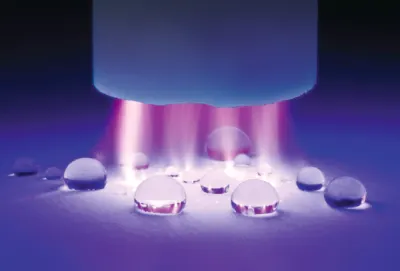
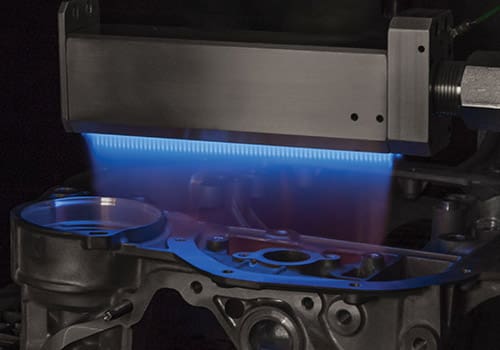
55588 164 fig1
flame technology treating metal

TYPICAL APPLICATIONS

Developing new material properties for product differentiation
Modifying textile or fabric surfaces for water/oil repellency
Preparing surfaces for specific biomedical interactions
Tailoring surface chemistry for specialized coatings or sensors
Adjusting wettability for specialized industrial processes

KEY BENEFITS

Precise Control

Process parameters can be tuned to target specific surface characteristics.

No Coating Layer Added

Modifies the existing surface rather than adding a separate material layer.

New Design Possibilities

Opens options for product differentiation that conventional processing can’t achieve.

Want to go deeper? Read: Understanding Plasma Surface Treatment

HAVE A MATERIAL REQUIREMENT TO EXPLORE?

Tell us what surface behavior or material property you’re trying to achieve.

Scroll to Top