
PLASMA CLEANING

APPLICATIONS

PLASMA CLEANING

Remove or reduce organic contamination and prepare sensitive surfaces without conventional wet chemical processes.

WHAT IS PLASMA CLEANING?

Plasma cleaning removes organic contamination — processing oils, mold release agents, handling residues, fingerprints — from a surface using reactive plasma species instead of liquid solvents. Contaminants are broken down into volatile byproducts and removed, leaving a clean, chemically active surface without introducing wet chemistry, drying steps or hazardous waste into the process.

How it Works

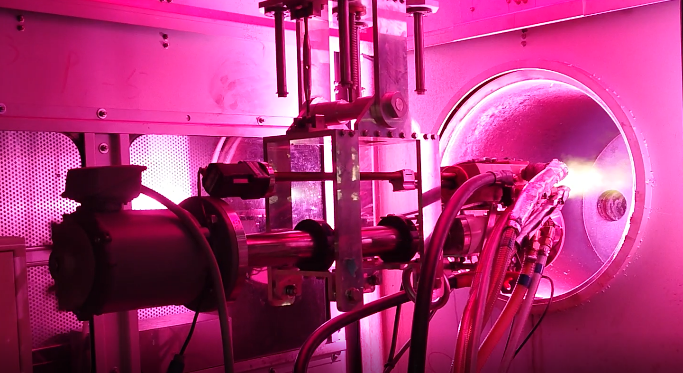
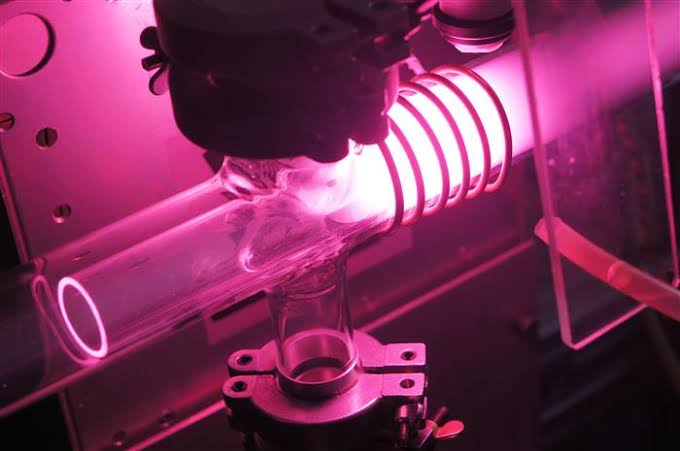
Parts are exposed to plasma generated from a process gas — often air, oxygen or an inert gas depending on the material and contaminant. Reactive species oxidize and break down organic residues at the surface, which are then carried away as gas. Because the process is dry, it avoids the residue, drying time and disposal considerations of solvent-based cleaning.
956485152d16df199706972a726a57e9
images (11)

TYPICAL APPLICATIONS

Cleaning ahead of bonding, coating or encapsulation steps
Sensitive electronic components where solvent exposure is a risk
Medical device components requiring controlled, residue-free surfaces
Precision parts where dimensional tolerances rule out abrasive cleaning
Removing mold release agents before secondary processing

KEY BENEFITS

No Wet Chemistry

Eliminates solvent handling, drying steps and associated waste disposal.

Molecular-Level Clean

Removes contamination that wet cleaning or wiping alone can leave behind.

Gentle on Parts

No abrasion or mechanical contact — suited to delicate or precision components.

HAVE A CLEANING CHALLENGE?

Tell us about your contamination or cleanliness requirement — we’ll explore whether plasma cleaning fits.

Scroll to Top