
Surface Activation

APPLICATIONS

SURFACE ACTIVATION

Improve surface energy and prepare materials for bonding, printing, coating or other downstream processes.

WHAT IS SURFACE ACTIVATION?

Many materials — particularly plastics, composites and certain metals — naturally have low surface energy, meaning liquids, adhesives, inks and coatings don’t wet or bond well to them. Surface activation uses plasma to modify the outermost molecular layer of a material, raising its surface energy and making it far more receptive to bonding processes, without altering the material’s bulk properties, dimensions or appearance.

How it Works

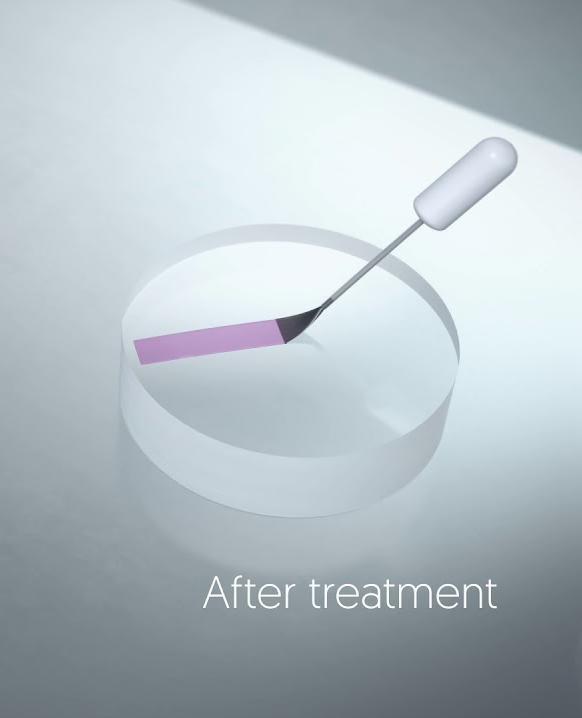
During plasma treatment, reactive species interact with the material’s surface — removing weak boundary layers and contamination, and introducing new polar chemical groups. This combination increases wettability and creates more chemically reactive bonding sites, so the surface accepts adhesives, coatings, printing inks or laminates far more effectively than it would untreated.
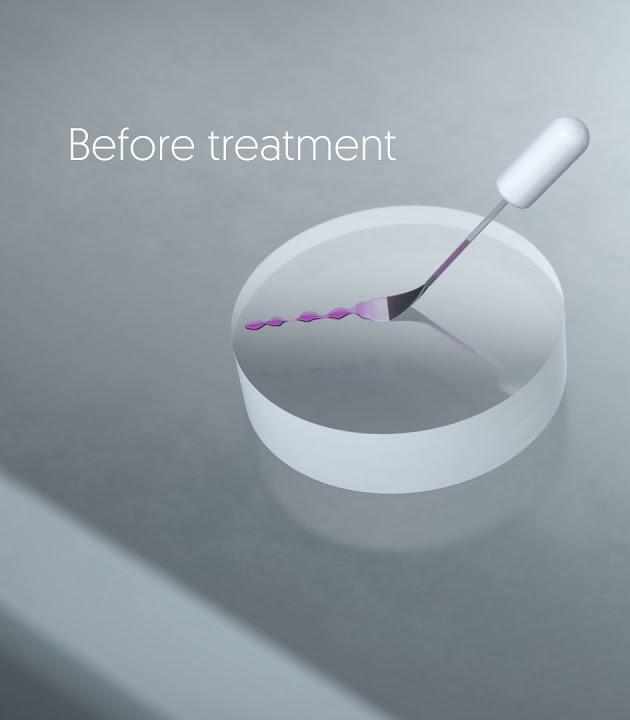
surface activation before plasma treatment
surface activation after plasma treatment.jpg

TYPICAL APPLICATIONS

Pre-treatment before lamination, coating or printing
Preparing plastic and composite parts for adhesive bonding
Improving ink adhesion on films, labels and flexible packaging
Bonding dissimilar materials in assembly processesList item
Preparing substrates for encapsulation in electronics manufacturing

KEY BENEFITS

Dry Process

No solvents, primers or wet chemistry required — a cleaner alternative for production lines.

Consistent Results

Controllable, repeatable surface energy improvement across production volumes.

Material-Safe

Modifies only the surface layer, leaving bulk material properties unchanged.

Want to go deeper? Read: Understanding Plasma Surface Treatment

HAVE A SURFACE ACTIVATION CHALLENGE?

Tell us about your material and process — we’ll explore whether plasma activation is the right fit.

Scroll to Top